

Growing Greenup- 4/28/26
Growing Greenup
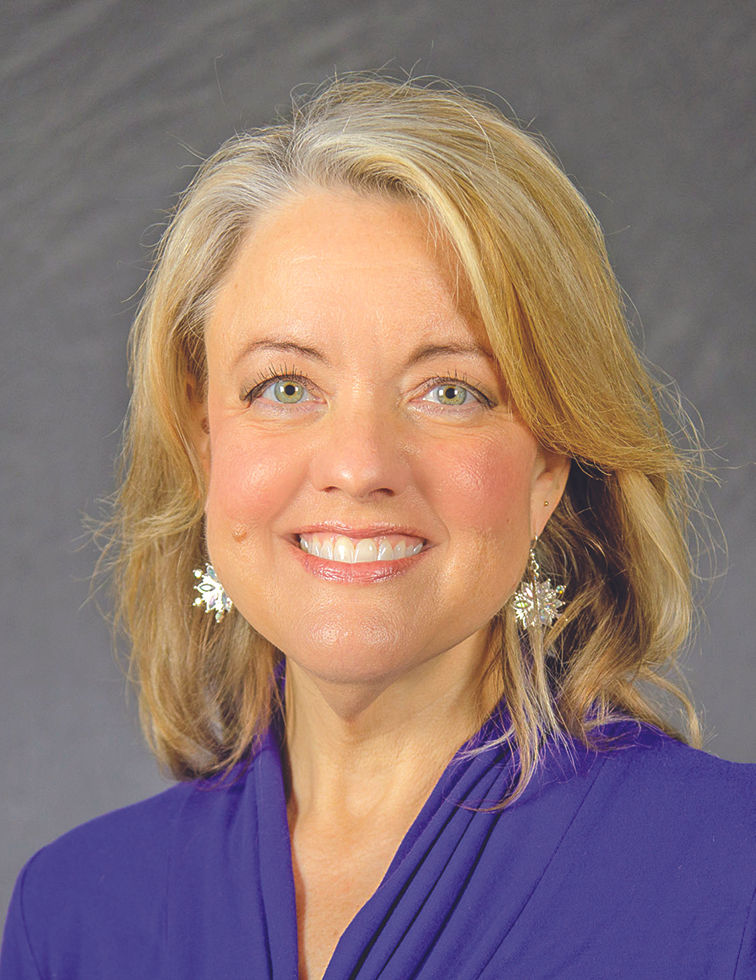
Anne Stephens
The Ashland Beacon
Are there public spaces in your home community that are important to you? Do you take your children or grandchildren to a park to play? Do you like to walk in an area close to home where you feel safe and comfortable? Have you ever volunteered to help your community plan or maintain a public area? The following publication about placemaking is interesting because it guides you to think like a landscape architect and understand the process and importance of placemaking.
Placemaking - Strengthening Your Public Spaces
By: Jayoung Koo, Landscape Architecture, University of Kentucky
Strong public spaces provide lasting impressions and shared community experiences. Public spaces are locations that are accessible to the public, including parks, streets, playgrounds, and fairgrounds. In addition to publicly owned spaces, public spaces can also include privately owned spaces with areas open to the public, such as plazas or memorials. Although the size and scope of public spaces may differ, the goals and functions should be suitable and appropriate for the size and location. Successful public spaces connect with other parts of a community and are accessible and open to residents and visitors alike.
This publication illustrates the benefits of enhancing publicly shared spaces in communities with the prospect of guiding the development of sustainable public spaces. Parks and plazas that come in wider shapes and forms in particular are addressed in this publication. For trails or streetscape projects, refer to other series in the landscape architecture extension publications or contact your local Extension office.
What Is Public Space?
Public spaces are shared areas of communities where everyone has the opportunity to access and use the space for appropriate purposes. Public spaces come in various shapes, sizes, and locations. Historically, public parks, plazas, squares, commons, and markets were centrally located in communities for shared functions, such as livestock grazing, recreation, and social gathering. With growing populations and expanding cities, public spaces became intentionally dispersed in multiple locations throughout local government boundaries with the intention of providing citizens with access to nearby public spaces. Over time, public spaces such as community parks that require larger areas for expansion were created at the edge of towns. Still today, in smaller cities and towns, there is typically at least one centrally located public space.
Public spaces can be valuable areas where various activities, events, and everyday errands take place. Therefore, these spaces should be planned and designed to best suit the intended uses of the public. Regularly used public spaces are often highly valued and can contribute to the identity of the community.
The process of making public places is conceptually similar to the process of what Project for Public Spaces defines as placemaking, a “place-led” movement to enhance the quality of life in communities. The foundation of placemaking starts with identifying a space, district, or town at large. Communities benefit from having physical public spaces and these places create opportunities to strengthen a community’s identity and sense of place by creating locations for shared memories.
Benefits and Challenges of Public Spaces
Great public places are areas that function effectively and cater to a range of users and needs. Public spaces must be continuously maintained, managed, and updated to accommodate changing user needs. When public spaces function well, they benefit individuals and also community health and sense of identity. Ideally, those planning and designing public spaces should intentionally think about making places that naturally evolve as destinations, gathering places, and social spaces, appropriately adapting to user trends.
Public spaces often have common problems such as a lack of seating options, insufficient gathering areas, unclear or unattractive entrances, or features that do not function as originally planned. In some cases, the planning and design of public spaces addresses only a limited range of users and uses. For example, designed pedestrian circulation routes frequently do not align with actual use patterns, and as a result, self-made paths emerge.
Goals and Objectives of Public Space
Project’s location, goals, preference of design style and funding among other considerations. Although all communities can have a central park, not all central parks will look and function the same way. When designing public spaces, communities should listen to the needs of their community members. A typical process identifies priorities, then sets goals and objectives that can be accomplished through an actionable plan. Typical goals and objectives of public space projects depend on the type of public space that a community is interested in working on.
For example, park projects may concentrate on recreational goals while plazas and squares aim for gathering and passive relaxation goals. Waterfront projects may focus on ways to take advantage of access to water bodies but need to address safety issues as well. Farmers market projects often strive to balance easy access for producers while also providing ample space for customers and events. Thus, the goals and objectives for public space projects should be determined by the communities to address their particular priorities. Furthermore, each public space project will differ depending on the location, goals, preference of design style and funding among other considerations. Although all communities can have a central park, not all central parks will look and function the same way.
Conclusion
Public spaces can benefit individuals, communities, and the greater public through a variety of perspectives ranging from physical enhancements to eco nomic activities, while also encouraging healthier lifestyles. Ultimately, enhancing public spaces in your community will not only strengthen the community’s place identity but also the sense of place of its members.
The next time you are in a public space in your home community, look around and think about the planning that was done prior to the existence of the space. Can you see any of these concepts in action? Are there things that could have been done differently or updates that are needed to make the space more usable?
If you are interested in making your home community better, reach out to your local Extension office and get involved! There are many ways to volunteer and help shape the place where you live, work, and play.
For more information, contact Anne Stephens, Agent for Community Arts and Development in Greenup County. 606.836.0201 anne.stephens@uky.edu Greenup County Cooperative Extension Service, 35 Wurtland Avenue, Wurtland, KY 41144. This institution is an Equal Opportunity Provider.


Comments